
As a cat owner, abnormal defecation in cats is often an easily overlooked but crucial health signal, among which constipation is one of the common digestive problems in domestic cats. Similar to human constipation, cat constipation refers to difficulty in defecation, dry and hard feces, or prolonged absence of defecation, which is essentially the result of the combined effect of various factors such as abnormal intestinal peristalsis and insufficient water intake.
The defecation pattern of healthy cats is relatively fixed, usually 1-2 times a day. If a cat does not defecate for more than 48 hours, it is an abnormal situation that requires timely intervention. It is worth noting that constipation is not an independent disease, but more of an external manifestation of underlying problems. Especially in senior cats, the incidence of constipation is much higher than that in young cats due to the decline of digestive system function; while constipation in kittens requires more vigilance, which may be a sign of congenital diseases or intestinal obstruction.
The harm of long-term constipation to cats cannot be ignored: if feces stay in the colon for too long, they will continuously absorb water in the intestines, leading to drier and harder feces and forming a vicious circle; in severe cases, it can cause excessive dilation of the colon, namely megacolon, damage the normal function of the intestines, and even endanger life. Therefore, timely identification of constipation signals and scientific care are essential skills for every cat owner.
Key Scenarios and Methods of Veterinary Diagnosis and Treatment
1.Emergency Situations That Require Veterinary Attention
Not all constipation can be relieved through home care. When the following situations occur, you must contact a veterinarian immediately and do not delay: the cat has not defecated for more than 48 hours; it cries or screams in pain when defecating; it has symptoms such as vomiting, loss of appetite, and listlessness; there is blood or mucus in the feces. These situations may indicate serious intestinal problems, such as obstruction and megacolon, which require professional intervention.
2.Professional Treatment Methods by Veterinarians
The core of veterinarians’ treatment for cat constipation is to quickly relieve symptoms and identify the root cause. Common diagnostic and therapeutic methods include: subcutaneous fluid infusion to supplement water to soften feces and improve dehydration; prescribing special drugs to promote intestinal peristalsis and lubricate the intestines; if necessary, performing professional enemas. It should be noted that home enemas are extremely risky, and some enemas are toxic to cats, so do not operate them by yourself.
3.Investigation of the Root Cause of Constipation
Veterinarians will identify the root cause of constipation through examinations to avoid recurrence. Common root causes are divided into three categories: first, dehydration, which is the most common cause, especially for cats that eat dry food for a long time with insufficient water intake; second, intestinal obstruction, such as ingestion of hairballs, foreign bodies, etc.; third, underlying diseases, such as food allergies, kidney diseases, arthritis (affecting litter box use), etc., which require targeted treatment.
Home-Operable Relief and Care Plans
1.Scientific Water Supplement: The Core of Relieving Constipation
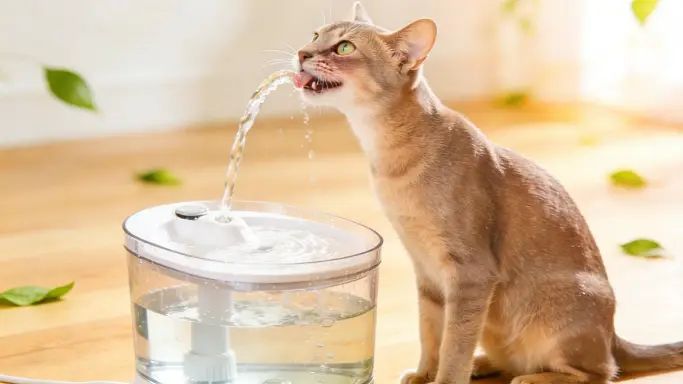
Cats are naturally not good at drinking water actively. Their ancestors lived in deserts and mainly obtained water from prey. This habit leads to the common problem of insufficient drinking water in modern domestic cats, and dehydration is the primary inducement of constipation. In view of this characteristic, cats can be guided to drink more water through the following methods:
- Place water bowls at multiple locations, away from food and noisy areas, to meet cats’ picky habits;
- Use a cat-specific water dispenser; flowing water is more attractive to cats to drink actively;
- Add water to wet food and stir to make “cat soup”, which not only supplements nutrition but also increases water intake;
- Try creative water feeding methods, such as using a shallow plate to hold water (to avoid touching the cat’s whiskers) and adding a small amount of ice cubes to the water to stimulate the cat’s interest in drinking water.
2.Diet Adjustment: Adapt to Cats’ Digestive Needs
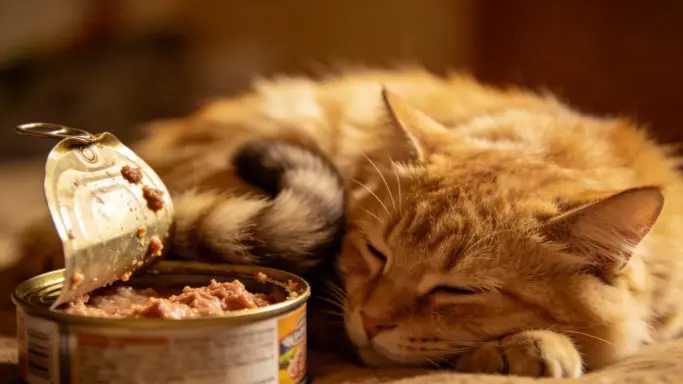
Improper diet is an important inducement of cat constipation. Reasonable diet adjustment can effectively prevent and relieve constipation. First of all, it is recommended to replace dry food with wet food. Wet food has a higher water content, which can reduce the risk of dehydration from the root; second, carry out protein rotation, alternately feed foods from different sources such as chicken, fish, and rabbit, to avoid digestive discomfort caused by a single food. When changing cat food, it is necessary to transition gradually for 7-10 days to avoid intestinal irritation.
Fiber supplementation needs to be cautious, not all cats are suitable. Soluble fiber can absorb water and soften feces, which is suitable for cats with dry and hard feces; insoluble fiber can increase fecal volume and stimulate intestinal peristalsis, which is suitable for cats with slow intestinal peristalsis. If fiber supplementation is needed, natural sources such as pure pumpkin puree and cooked green beans can be selected, added in small amounts, and the dosage can be adjusted gradually. At the same time, ensure that the cat takes in enough water to avoid aggravating constipation.
3.Lifestyle Adjustment: Promote Intestinal Peristalsis
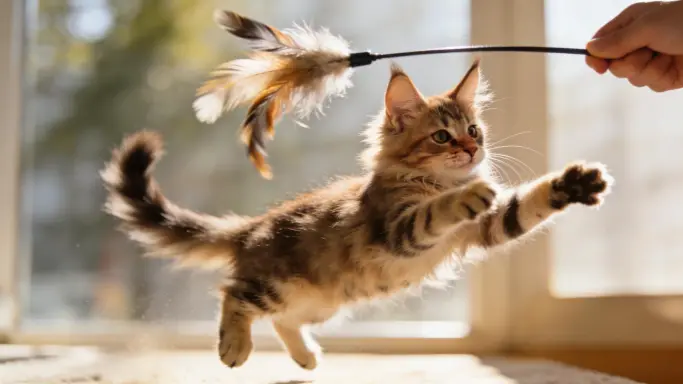
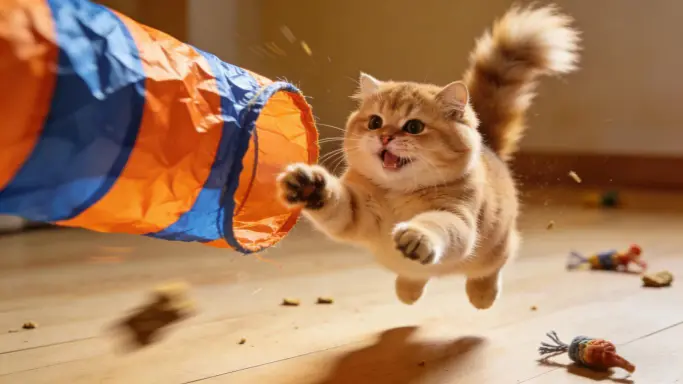
Lack of exercise and excessive stress will affect the cat’s intestinal function and induce constipation. Daily interaction and play can be carried out twice a day for 10 minutes each time, such as teasing the cat with feather toys and cat wands, or hiding snacks indoors for the cat to “hunt”, to promote the cat’s exercise and stimulate intestinal peristalsis; at the same time, keep the cat’s schedule regular and reduce the pressure caused by environmental changes, such as adding new pets at home and construction noise. A Feliway diffuser can be used to relieve the cat’s anxiety and avoid defecation abnormalities caused by stress.
4.Reasonable Arrangement of Litter Boxes
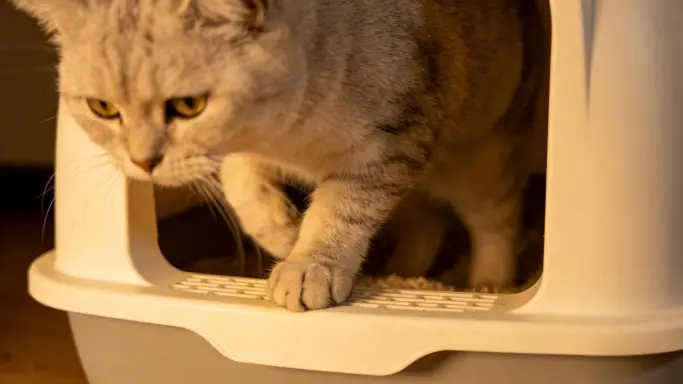
Cats are extremely picky about the defecation environment. Improper arrangement of litter boxes will cause cats to refuse to defecate, which in turn leads to constipation. It is recommended to follow the principle of “one cat, one litter box + spare”. If the home is a multi-storey house, at least one litter box should be placed on each floor, and it should be placed in a quiet, hidden and convenient area for the cat to enter and exit, especially suitable for senior cats. At the same time, try different types of litter and litter boxes (covered/uncovered), observe the cat’s preference, keep the litter box clean, and provide a comfortable defecation environment for the cat.
Targeted Care for Cats of Different Ages
1.Constipation Care for Kittens
Kittens have a vigorous digestive system and mostly eat wet food, so they rarely suffer from constipation. But once constipation occurs, it is an emergency, which may be a problem such as congenital diseases and intestinal obstruction, and you need to contact a veterinarian within 24 hours. In daily care, ensure that the kitten drinks enough water, avoid feeding dry and hard food, and regularly comb the kitten’s hair to reduce hairball intake.
2.Constipation Care for Senior Cats
Due to slow intestinal peristalsis, weak abdominal muscles, reduced thirst, and possible arthritis (affecting litter box use), senior cats have a higher incidence of constipation. Daily care should pay attention to: give priority to feeding wet food to supplement water; reduce the height of the side of the litter box to facilitate the cat’s entry and exit; feed small meals frequently to reduce the burden on the intestines; perform moderate exercise every day, such as gentle play; regularly trim the hair around the anus of senior cats to avoid hair tangling and blocking the anus.
Monitoring, Prevention and Danger Signs of Constipation
1.Daily Monitoring Methods
It is recommended to check the cat’s feces at least twice a week, observe the character of the feces (whether it is dry and hard, granular) and the frequency of defecation, and pay attention to the cat’s state when defecating. If the cat exerts force to defecate but no feces are discharged, or groans in pain when defecating, it needs to be paid attention to in time. Clean the litter box regularly, which can not only keep the environment clean but also find defecation abnormalities in time.
2.Daily Prevention Points
To prevent cat constipation, we should start with daily care: ensure adequate drinking water, give priority to wet food; regularly comb the cat’s hair to reduce hairball intake; maintain proper exercise to avoid the cat being overweight; maintain a stable environment to reduce the cat’s pressure; reasonably arrange the litter box to ensure the cat’s comfortable defecation; take the cat for regular physical examinations to timely identify potential diseases.
3.Danger Signs to Be Alert To
When the cat has the following situations, it indicates that the constipation is relatively serious and you need to see a veterinarian immediately: no defecation for more than 48 hours; severe pain and screaming when defecating; vomiting, loss of appetite, drowsiness; blood or mucus in the feces; abdominal distension and pain when touched. These signals may indicate serious problems such as megacolon and intestinal obstruction, and delay may endanger life.
Frequently Asked Questions (FAQs)
Q: How to judge if a cat is constipated?
Constipation means straining to defecate, dry hard feces, or no defecation for over 2 days, with poor appetite or listlessness.
Q: What home remedies can relieve constipation?
Switch to wet food, offer water at multiple spots, add a little pure pumpkin puree, increase exercise, optimize litter boxes, or use Feliway.
Q: When must I take my cat to the vet?
Immediately if no defecation for 48h, painful defecation, vomiting, blood in feces, or listlessness.
Q: Can diet prevent constipation?
Yes. Prioritize wet food, rotate proteins, supplement fiber properly, and transition slowly when changing cat food.
Q: What if my cat has recurring constipation?
Check for root causes (dehydration, allergies, diseases) and take it for a vet check-up with defecation records.