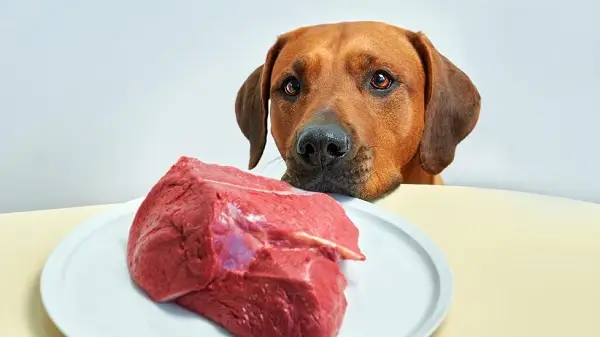

As dog owners, we always want to give our furry friends the best care, and diet is the core of their health. Dogs that are used to eating kibble still have the dietary instincts of their ancient ancestors deep in their bones—fresh meat, bones, and natural ingredients are the dietary choices engraved in their genes. Nowadays, raw feeding has gradually become a new trend in pet care. This comprehensive beginner’s guide will help you unlock a raw feeding method that keeps your dog healthy and happy, even if you’re new to it!
Why Should You Try Raw Feeding for Your Dog?
Dogs’ ancestors never survived by “hunting kibble”; fresh meat, bones, and various ingredients found in nature were their natural food. Feeding modern dogs a raw, nature-aligned diet not only satisfies their appetites but also brings tangible health benefits:
- Revitalized Coat and Skin: Say goodbye to annoying skin itching and dandruff. Your dog’s coat will become shiny and bright, feeling smooth and fluffy to the touch;
- Hassle-Free Teeth Cleaning: Raw bones are like natural toothbrushes. When your dog chews on them, it effectively reduces tartar buildup and eliminates bad breath;
- Improved Digestive Health: Many dogs experience significantly fewer digestive issues like diarrhea and bloating after switching to raw food. Their feces become smaller in volume and much less smelly;
- Sustained Energy Levels: The precise nutrition matches their needs, allowing even senior dogs to regain the vitality of puppies and enjoy playing more;
- Easy Weight Management: The nutritional ratio of raw food is more suitable for dogs’ metabolism, especially for active dogs, helping them easily maintain a healthy weight.
Raw Feeding Basics: Essential Knowledge to Remember
Many dog owners think raw feeding is complicated and troublesome, but as long as you find the right method, even beginners can handle it easily. Master these points to take your first step into raw feeding smoothly!
First, Understand: The Core Ratio of Raw Feeding Is Indispensable
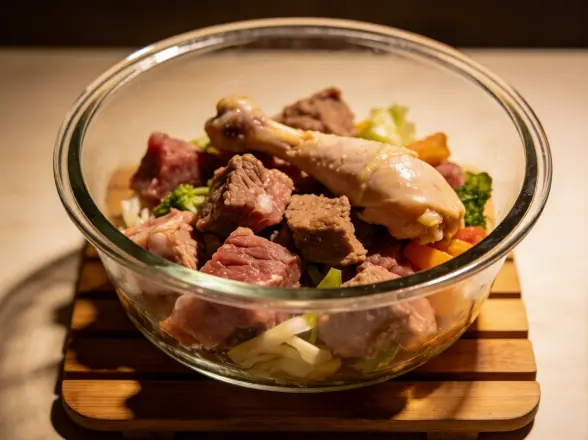
Raw feeding is not as simple as throwing a piece of steak randomly. The key is nutritional balance. The core ingredients must include these categories, and matching them on demand is scientific:
- Muscle Tissue: Common meats such as chicken, beef, and turkey are the main source of protein;
- Raw Bones: Meat-on-bone is best, such as chicken wings and chicken necks, which provide both nutrition and teeth grinding;
- Organ Meats: Liver, kidneys, heart, etc., supplement trace elements lacking in muscle meat;
- Fruits and Vegetables (Optional): A small amount of broccoli, apples, etc., provide additional dietary fiber and vitamins;
- Nutritional Supplements: Add according to your dog’s condition, such as fish oil for coat health and probiotics for digestive regulation.
Slow Transition: Gradually Switch Foods in 1-2 Weeks to Avoid Upsetting Your Dog’s Stomach
There’s no need to pursue “overnight success” and rush to replace all kibble with raw food on the weekend. The correct approach is to first add a small amount of raw food to your dog’s daily diet, then slowly increase the proportion of raw food and reduce the amount of kibble over 1 to 2 weeks. This gives your dog’s stomach enough time to adapt and avoids vomiting and diarrhea.
Strict Storage: Don’t Neglect Hygiene Details When Handling Raw Food
The way you handle raw food for your dog is the same as for human raw food. These details must be followed:
- Wash your hands and clean tableware promptly after touching raw food to avoid cross-contamination;
- Seal and store uneaten raw food in the refrigerator or freezer;
- Do not leave raw food at room temperature for a long time to prevent spoilage.
Must Consult: Ask a Veterinarian First to Customize an Exclusive Diet Plan
Before starting raw feeding, be sure to consult your own veterinarian or a professional pet nutritionist. They will formulate a more suitable raw food diet plan based on your dog’s breed, age, weight, and health status to avoid nutritional imbalance.
Step-by-Step Guide: How to Practice Raw Feeding for Dogs
Once you’re prepared, it’s time for the specific operation steps. Follow these to easily prepare a healthy raw meal for your dog!
Step 1: Determine the Daily Feeding Amount for Precision and No Waste
For most dogs, the recommended daily raw feeding amount is 2-3% of their ideal body weight. For example, a 50-pound dog needs 1-1.5 pounds of raw food per day. Puppies, pregnant dogs, or dogs with extremely high activity levels can have a slightly higher proportion.
Step 2: Choose the Right Protein, Start with One Type and Gradually Diversify
Don’t be greedy when trying for the first time. Start with onlychicken as the protein source, let your dog adapt for 1-2 weeks, and observe their feces, appetite, and other conditions. If there are no abnormalities, gradually add other proteins such as beef, turkey, and fish. In the long run, alternating meats, bones, and organs is the only way to ensure comprehensive nutrition.
Step 3: Prepare Meals in Advance to Save Daily Time
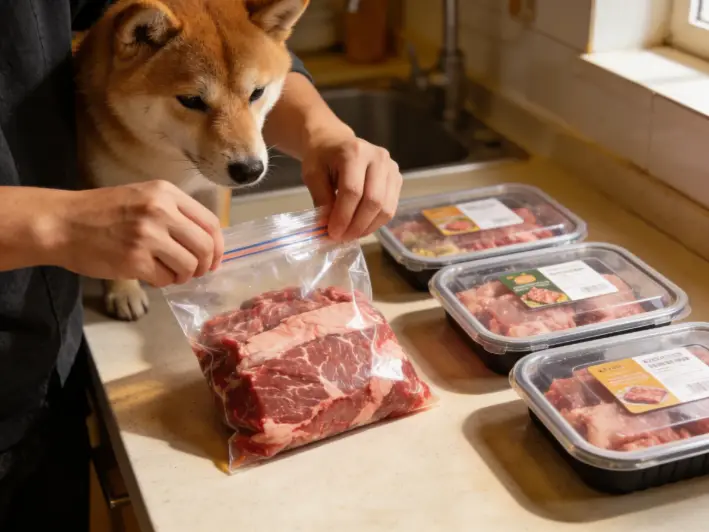
Prepare raw food for several days at once, divide it into portions, seal and refrigerate. You can take it out directly when feeding, which greatly reduces daily meal preparation time—perfect for busy dog owners. Thaw frozen raw food in the refrigerator overnight; do not heat it directly with hot water to avoid nutrient loss.
Step 4: Keep Observing and Adjust the Diet Plan Timely
After feeding raw food, closely monitor your dog’s condition: whether their activity level is normal, if there are changes in their skin and coat, if their feces are well-formed, and if their appetite is stable. These are important indicators to judge if the diet is suitable. If there are any abnormalities, reduce the amount of raw food in time or consult a veterinarian to adjust the ratio.
Debunking Myths: Stop Believing These Raw Feeding Rumors!
Although raw feeding is great, there are many false claims online that make many dog owners hesitant. Today, we’ll debunk them one by one to clear your doubts:

✅ Myth 1: Raw meat has bacteria and will make dogs sick
Dogs’ stomach acid is much more acidic than humans’, which can effectively digest raw meat and kill most bacteria. As long as you ensure the raw meat is fresh and handled hygienically, there’s no need to worry. However, dog owners must clean their hands thoroughly after touching raw meat to avoid personal infection.
✅ Myth 2: Feeding raw bones will choke or scratch dogs’ intestines
The real danger is cooked bones—high temperature makes bones brittle, which can easily crack into sharp fragments that scratch dogs’ intestines or cause choking. Fresh raw bones, on the other hand, are flexible. When dogs chew on them, they will slowly crush them, which not only won’t cause harm but also cleans their teeth and exercises their jaw muscles.
✅ Myth 3: Raw feeding is too expensive for ordinary dog owners
Although the unit price of raw food is slightly higher than kibble, you can reduce costs with skills: buy raw meat in bulk, choose local fresh food suppliers, and replace expensive steaks with cost-effective cuts like chicken frames and duck legs. In the end, the cost is almost the same as high-quality kibble.
Is Raw Feeding Suitable for Your Dog?
Raw feeding is not a “one-size-fits-all” method. It is more suitable for dog owners who pursue comprehensive, natural nutrition and dogs in normal health.
If your dog has special diseases (such as pancreatitis, gastrointestinal diseases), is too young (unweaned puppies), or is in the recovery period after surgery, you need to follow the veterinarian’s advice and choose raw feeding cautiously. Healthy adult dogs, weaned puppies, and senior dogs can all adapt to raw feeding as long as the transition and ratio are done properly.
In fact, raw feeding is essentially a way to let dogs return to their most nature-aligned diet. There’s no need to pursue extreme precision. As long as you do a good job in pre-preparation, scientific ratio, and gradual transition, you can let your dog eat healthy food and have a better physical condition.
With a little care, patience, and love, your furry friend can say goodbye to single kibble, savor delicious food that aligns with their ancient ancestors’ eating habits, and start a healthy and happy raw food life. Are you ready to embark on this “return to nature” dietary adventure with your dog?